Repetition Against Plot
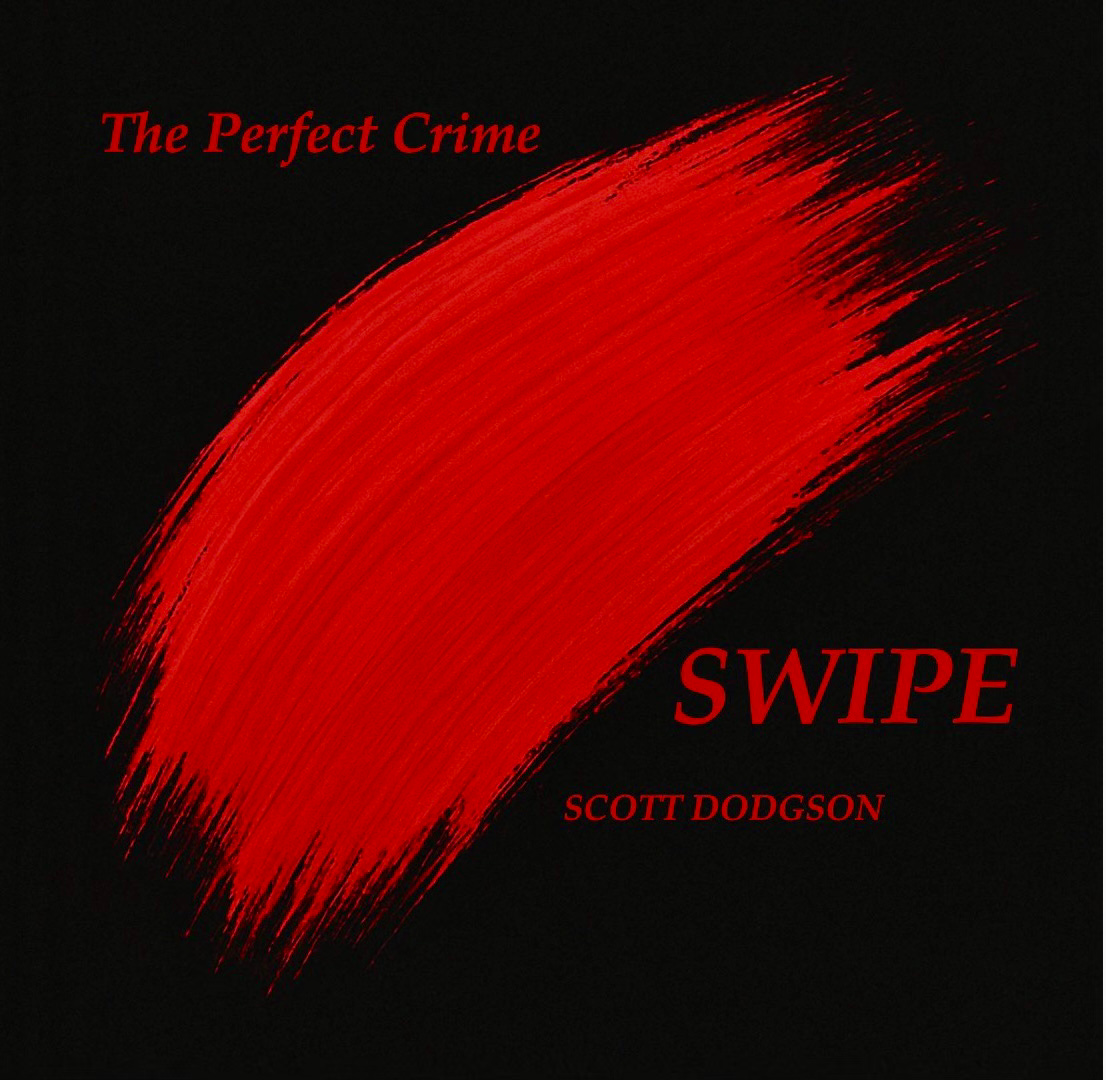
Swipe: A Crime of Atmosphere

Readers are trained to feel movement as proof. If events intensify, the story is working. If they circle, something must be wrong. We inherit this expectation from the architecture of the thriller: pressure rises, consequences sharpen, and the world narrows toward a decisive moment where meaning appears all at once.
But experience rarely behaves that way. Life does not escalate. It returns.
The form of Swipe begins with that observation. The book does not refuse plot out of rebellion but out of accuracy. Certain conditions in human life do not build toward resolution. They repeat until recognition replaces surprise. What looks static from a distance is, up close, a slow deepening. The difference between recurrence and stasis is attention.
Ruby’s actions follow a pattern not because she fails to change but because the world she moves through does not. Each encounter resembles the last, yet the meaning shifts slightly, like a musical phrase played again in a new key. The purpose of repetition is not reinforcement but investigation. Only through return can we perceive the structure we live inside. A single event feels accidental. A sequence reveals design.
Traditional crime fiction promises consequence. A line is crossed and the narrative races toward exposure or punishment. The reader measures time by proximity to capture. In this novel consequence already exists before the first page. The characters live inside a social equilibrium that absorbs disturbance. The drama lies not in what will happen next, but in what has been happening all along.
Repetition therefore replaces escalation as the engine of understanding. Each act accumulates weight rather than momentum. The reader does not wait for a climax but for clarity. Accumulation performs the work that confrontation normally performs. The realization arrives gradually: the pattern is the event.
This structure aligns the novel less with the mechanics of suspense than with older narrative forms. Ritual, blues, liturgy. Forms where meaning emerges through recurrence rather than novelty. In music a refrain does not exist to delay the next section. It exists to alter the listener’s hearing of what has already occurred. The return transforms the beginning.
The book moves according to a similar weather logic. A storm does not escalate toward a single dramatic drop of rain. It gathers, disperses, returns, shifts direction. We understand climate only after watching many days that appear alike. Narrative here behaves as atmosphere rather than trajectory. The reader senses pressure long before identifying its source.
Because of this, suspense gives way to recognition. Suspense asks what will occur. Recognition asks what has been occurring. The first produces surprise. The second produces unease, the quiet understanding that the pattern extends beyond the boundaries of the story.
By refusing escalation, the novel refuses the comfort of closure. A climax suggests an ending. A cycle suggests continuation. The final pages do not resolve the pattern but illuminate it, leaving the reader with awareness instead of relief.
Nothing builds because nothing needs to. The structure is already complete. The narrative simply turns slowly enough for us to see it.
Author’s Note
Over the coming week I will publish three short essays exploring the formal logic of Swipe: repetition, recognition, and accumulation as alternatives to escalation. These reflections are not defenses of the book but extensions of its method. They circle the same structure the novel inhabits.
Swipe arrives on March 1.
The novel’s architecture stands closer to the recursive movement of W. G. Sebald than to the machinery of conventional suspense. Sebald understood that narrative may proceed by return rather than advance, that the mind does not move in straight lines but in weather systems of memory. The event becomes visible only after it has occurred several times.
There is also, perhaps unexpectedly, an affinity with Rachel Cusk, whose work demonstrates that recurrence can replace confrontation, that conversation itself may become plot when it accumulates pressure without theatrics. Meaning gathers in adjacency.
And further back, one might locate a distant kinship with Alexander Pushkin, whose narrative poems reveal how refrain alters perception. In returning to a phrase, he teaches the reader to hear differently. The repetition does not delay meaning; it manufactures it.
Swipe belongs to that lineage more than to the procedural thriller. Ruby’s pattern is not a device to postpone justice but a structure through which justice is rendered irrelevant. What matters is not whether she is caught. What matters is whether we recognize the equilibrium she moves inside.
These essays are invitations to that recognition.
The book will not accelerate toward a revelation. It will turn slowly enough for you to see what was always there.
March 1st the book is available.